
• Blaise Alexander Hyundai

Blog

Why Certified Pre-Owned Cars are Great for Back-to-School Students

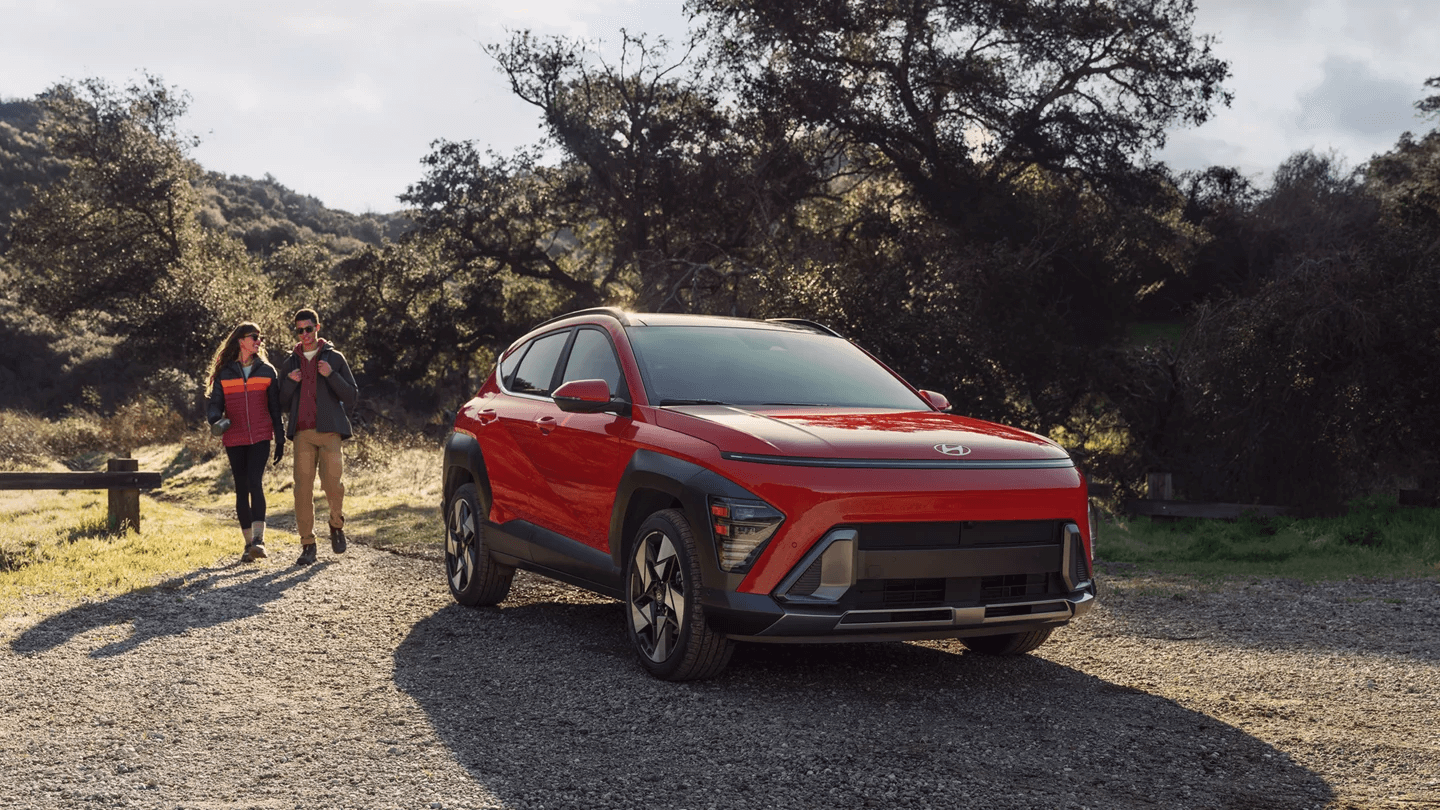
two people with a red Hyundai Kona SUV

Certified Pre-Owned cars give college-bound drivers the perfect mix of reliability and value for campus life. These carefully inspected vehicles offer peace of mind through comprehensive warranties that parents and young adults both appreciate. Blaise Alexander Hyundai of State College helps families discover the ideal certified solution for back-to-school transportation.

Why Certified Pre-Owned Cars Make Sense for College

Young drivers need dependable wheels that won't break the bank or break down unexpectedly. These thoroughly vetted vehicles go through rigorous multi-point inspections that check everything from brakes to electronics before earning their certification. According to the National Automobile Dealers Association, certified vehicles typically cost thousands less than new models while delivering similar reliability and performance.

What sets these apart from regular used cars? Detailed maintenance records, manufacturer-backed warranties, and quality standards that regular used vehicles simply can't match. Many certified programs also include valuable extras like roadside assistance and rental car coverage - lifesavers when you're dealing with finals week and can't afford transportation drama.

Smart Financial Protection for Campus Life

Here's where certified programs really shine - comprehensive powertrain warranties that cover your engine, transmission, and other critical components for years to come. Most programs throw in valuable extras like roadside assistance, rental car coverage, and trip interruption benefits that keep you mobile during emergencies.

The warranty often transfers if you decide to sell before graduation, adding real resale value that makes certified vehicles smart long-term investments.  This transferable coverage feature helps certified vehicles hold their value better than regular used cars in the marketplace.

Discover Your Perfect Campus Ride in State College

Ready to explore Certified Pre-Owned cars that fit your college lifestyle and budget? Our team at Blaise Alexander Hyundai of State College gets what young drivers need and offers flexible financing designed with college buyers in mind. Visit our showroom to discover vehicles that balance quality, affordability, and the peace of mind every student deserves.
Recommended Posts

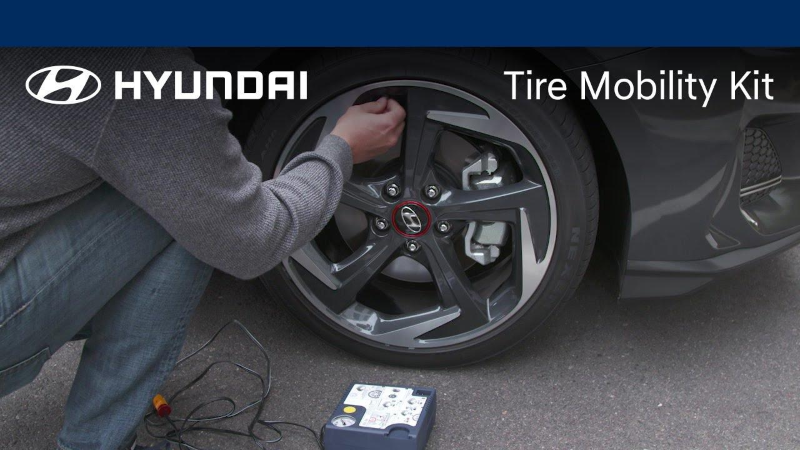
Hyundai tire mobility kit

Where Is the Spare Tire in Your Hyundai? A Model-by-Model Guide

Nothing interrupts a drive like a flat tire, and knowing where to find your emergency equipment can make a stressful situation easier. Your Hyundai spare tire location, or whether your vehicle includes a spare at all, depends on its model, trim, and powertrain. Blaise Alexander Hyundai of State College explains what to look for before an unexpected flat leaves you stranded. Which Hyundai Models Have Spare Tires? Several popular Hyundai vehicles include compact temporary spare tires. Common configurations and locations include: 2026 Hyundai Elantra: A temporary spare beneath the trunk's cargo floor. 2026 Hyundai Sonata: SE and SEL Sport trims include a compact spare beneath the trunk floor. 2026 Hyundai Tucson: Gas-powered trims include a compact spare beneath the rear cargo floor. 2027 Hyundai Santa Fe: Gas-powered models feature a temporary spare mounted underneath the vehicle. 2027 Hyundai Palisade: Gas-powered models include a compact spare mounted beneath the rear of the vehicle. Always consult your owner's manual to confirm the equipment and location for your specific vehicle. Which Hyundai Models Have Tire Mobility Kits? Some Hyundai vehicles replace the spare tire with a tire mobility kit containing a compressor and sealant. Examples include the 2026 Hyundai Sonata N Line and Hybrid trims and the 2027 Hyundai Santa Fe Hybrid. These kits can temporarily address certain small tread punctures but cannot repair sidewall damage or major tire failures. Follow your vehicle's instructions carefully, including restrictions on speed and driving distance. What Should You Do After a Flat Tire? Pull over somewhere safe, activate your hazard lights, and avoid changing a tire near moving traffic. If conditions are unsafe, contact roadside assistance. For vehicles with a compact spare, follow the owner's manual for proper lifting points, installation procedures, and driving restrictions. A temporary spare is intended for limited use until the damaged tire can be repaired or replaced. Get Hyundai Tire Assistance in State College, PA Checking your spare tire or mobility kit before an emergency helps you prepare for unexpected road conditions. Remember to inspect spare tire pressure and verify that your emergency equipment is accessible. Contact Blaise Alexander Hyundai of State College for tire inspections, repairs, or replacement assistance. Our service team can help you get back on the road with confidence.

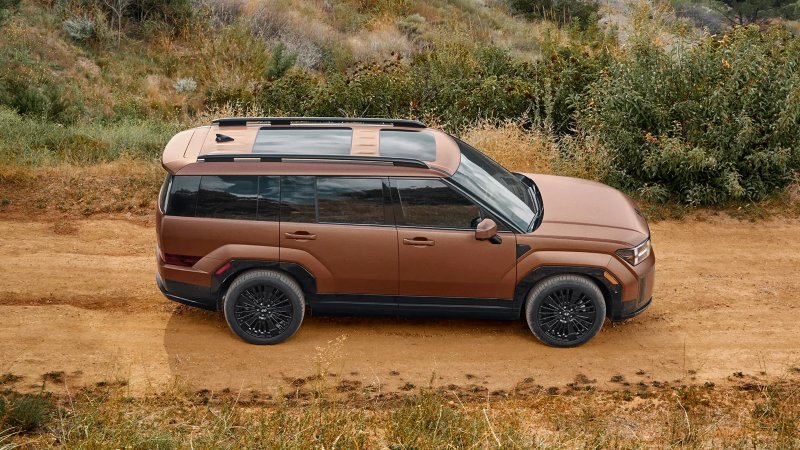
2027 Hyundai Santa Fe on a dirt road

2027 Hyundai Santa Fe Gas vs. Hybrid: Which Fits Your Lifestyle?

The 2027 Hyundai Santa Fe offers two powertrain options to suit different driving needs. Choose gas when horsepower and towing take priority, or hybrid when everyday fuel efficiency matters most. Blaise Alexander Hyundai of State College compares both options to help you find the right fit. Choose Gas for Power and Towing If your weekends include pulling a camper or utility trailer, the gas-powered Hyundai Santa Fe is worth considering. Its 2.5-liter turbocharged four-cylinder engine delivers 277 horsepower, offering more power than the hybrid. Most gas trims can tow up to 3,500 lbs with trailer brakes, while the rugged Hyundai Santa Fe XRT increases that capacity to 4,500 lbs when properly equipped. The Hyundai Santa Fe XRT also comes standard with HTRAC all-wheel drive, making it especially appealing for outdoor adventures and changing road conditions. Choose Hybrid for Everyday Efficiency A week filled with commutes, school runs, and errands makes fuel efficiency especially valuable. The Hyundai Santa Fe Hybrid combines a 1.6-liter turbocharged engine with an electric motor to produce 231 total system horsepower and 271 lb-ft of torque. This combination delivers responsive acceleration while using less fuel than the gas model. Regenerative braking and the gasoline engine recharge the hybrid battery as you drive, eliminating the need to plug in. Plus, the Hyundai Santa Fe Hybrid can tow up to 2,000 lbs with trailer brakes, providing capability for lighter towing needs. Keep the Family Flexibility Regardless of your preferred powertrain, the 2027 Hyundai Santa Fe provides three rows of seating and available HTRAC all-wheel drive. Fold the rear seats to accommodate bulky cargo, or keep them upright when you need extra passenger space. Both versions deliver the versatility families need, whether you're navigating daily commutes or packing for a weekend getaway. Find Your 2027 Hyundai Santa Fe in State College, PA Choosing between gas and hybrid power comes down to how you drive. Visit Blaise Alexander Hyundai of State College to explore your options and compare available models. Our team can help you find the ideal combination of performance, efficiency, and versatility for your lifestyle.

Woman charging a Hyundai Tucson PHEV

Hyundai Tucson Plug-In Hybrid: Is a PHEV Right for You?

A plug-in hybrid can cover much of your daily driving on electricity while keeping a gas engine ready for longer trips. Whether the Hyundai Tucson PHEV makes sense for you comes down to how far you drive, where you charge, and which trade-offs suit your lifestyle. Understanding those factors can help you decide whether a plug-in hybrid belongs in your driveway. Your Daily Miles Tell the Story The biggest benefit of the Hyundai Tucson PHEV comes when your routine fits comfortably within its electric driving capability. Regularly charging the battery can allow many commutes, errands, and school runs to be completed primarily on electric power, while the gasoline engine remains available when you need to travel farther. Think about what a typical week actually looks like. If most trips are relatively short and you can recharge between them, a plug-in hybrid can make excellent use of its electric capability. If you routinely cover long highway distances, you'll spend more time using the gasoline engine, reducing one of the PHEV's biggest advantages. Charging Access Makes the Difference Home charging is where a plug-in hybrid can be especially convenient. With access to a compatible Level 2 charger, you can replenish the battery between drives and begin many days ready to take advantage of electric power. Without reliable access to home or workplace charging, however, you may not realize as much of the benefit that comes with choosing a PHEV. In that situation, the Hyundai Tucson Hybrid may be worth considering because it doesn't need to be plugged in to recharge its hybrid battery. The Trade-Offs Worth Knowing A plug-in hybrid asks you to think differently about cost and convenience. The Hyundai Tucson PHEV may carry a higher purchase price than a comparable conventional hybrid, so its electric-driving capability is most valuable when you have the opportunity to use it regularly. Charging also becomes another part of your routine. Drivers with convenient home charging may barely notice the extra step, while those who depend primarily on public chargers could find a conventional hybrid easier to live with. Depending on configuration, battery packaging can also affect factors such as cargo capacity, so compare the specifications that matter most to your everyday needs. Explore the Hyundai Tucson PHEV in State College, PA If you mostly drive shorter distances and can plug in regularly, the Hyundai Tucson PHEV can offer an appealing combination of electric driving and gasoline-powered flexibility. Drivers who frequently travel longer distances or don't have convenient charging access may find the Hyundai Tucson Hybrid better suited to their routine. Our team at Blaise Alexander Hyundai of State College can help you compare both options and determine which one better fits your driving habits.