


Hyundai Dashboard Warning Lights Explained
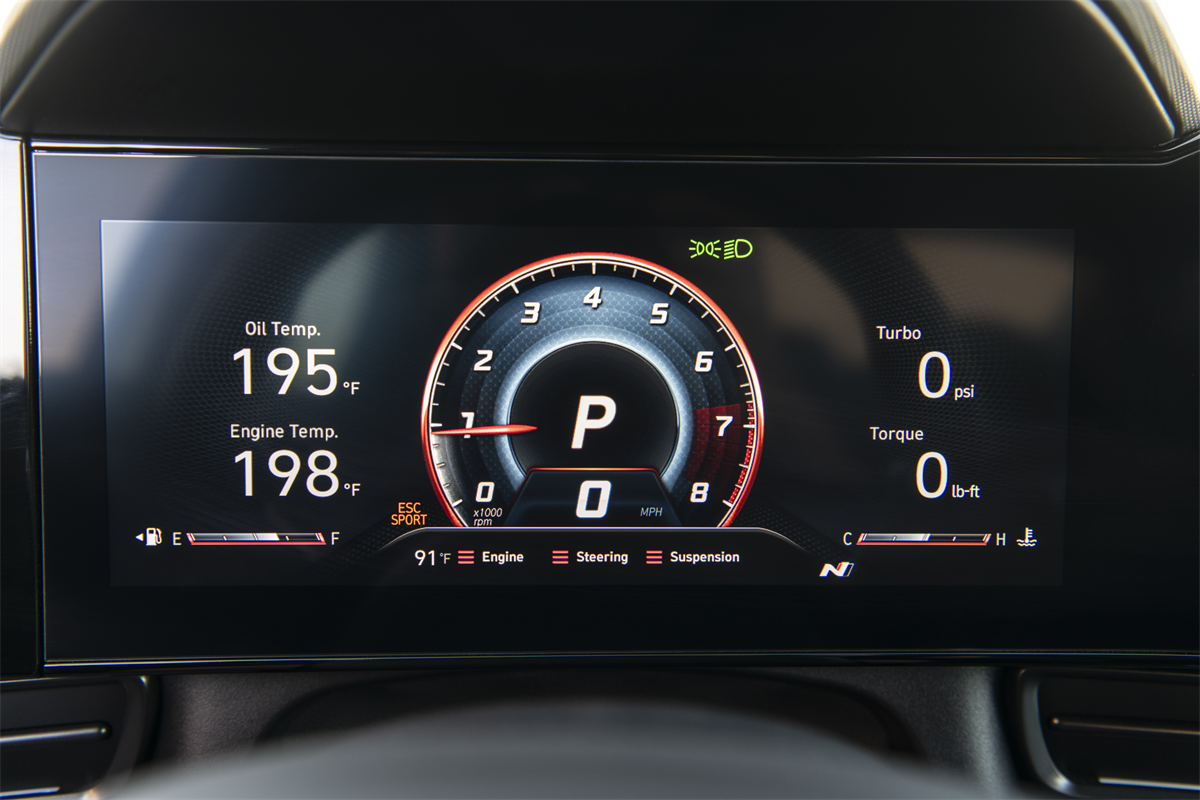
Hyundai dashboard warning lights can tell you when a vehicle system is active, needs attention, or may require immediate action. At Blaise Alexander Hyundai of State College, we want drivers to know the difference. The exact icons and instructions can vary by model, so your Hyundai Owner's Manual should always be your first reference when a warning appears.
Start With the Color and the Symbol
Color can provide a useful clue, but it should not be your only guide. Green, blue, or white indicators often show that a feature is active or ready. Yellow or amber lights can point to a system that needs attention, while some red warnings can signal a condition that requires prompt action. Check the specific symbol and any message shown in the Driver Information Center before deciding what to do next. The experts at our Hyundai dealership in State College can give you more details.
Warning Lights You Should Know
The engine oil pressure warning is one of the most urgent Hyundai dashboard warning lights. If it appears while the engine is running, move to a safe location, shut the engine off, and check the oil level. Continued driving with low oil pressure can cause severe engine damage.
The charging system light can indicate a problem with the alternator or electrical charging system. The brake warning light may simply confirm that the parking brake is engaged, but if it stays on after the parking brake is released, low brake fluid or another brake-system concern may be present. An ABS light that remains illuminated can indicate an anti-lock braking system malfunction, although the regular hydraulic brakes may still operate.
A steady check engine light can indicate an engine, emissions, or powertrain concern that should be inspected soon. A flashing check engine light can indicate a more serious problem and deserves immediate attention. The low tire pressure light means one or more tires may be significantly underinflated.
Dashboard Warning Light Icons
- Engine Oil Pressure Warning: Looks like an old-fashioned oil can with a drop of oil coming from the spout. If it stays on while the engine is running, safely stop the vehicle and shut off the engine.
- Charging System Warning: Usually appears as a rectangular battery with plus (+) and minus (–) symbols. It can indicate a problem with the vehicle’s charging system.
- Brake Warning Light: Typically looks like an exclamation point inside a circle, surrounded by parentheses. It may indicate that the parking brake is engaged or signal another brake-system concern if it remains illuminated after the parking brake is released.
- ABS Warning Light: Displays the letters “ABS” inside a circle or surrounded by curved brackets. If it remains on, the anti-lock braking system may have a malfunction.
- Check Engine Light: Resembles the outline of an engine and may also be called the Malfunction Indicator Lamp. A steady light should be checked, while a flashing light can indicate a more urgent problem.
- Low Tire Pressure Warning: Looks like an exclamation point inside a horseshoe-shaped tire cross-section. It generally means one or more tires may be significantly underinflated.
When to Schedule Hyundai Service
Some lights illuminate briefly at startup and then disappear normally. If a warning remains on, comes on while driving, or is accompanied by unusual sounds, reduced power, overheating, or changes in braking or steering, professional Hyundai service can help determine the cause. Hyundai-trained technicians can diagnose warning-light concerns and recommend the appropriate next step.
Schedule Service in State College, PA
If a warning light has appeared, do not ignore it or assume every symbol means the same thing. Check your Owner's Manual, follow any instructions shown on the vehicle display, and schedule service when needed. Before your visit, check our current Hyundai service specials for available savings on maintenance, inspections, and repairs at Blaise Alexander Hyundai of State College.
Blaise Alexander Hyundai

Address
1703 W College Avenue
State College, PA 16801
Phone
- Sales 814-308-0421
- Service 814-308-0433
| Monday | 9:00AM - 8:00PM |
| Tuesday | 9:00AM - 8:00PM |
| Wednesday | 9:00AM - 5:00PM |
| Thursday | 9:00AM - 8:00PM |
| Friday | 9:00AM - 8:00PM |
| Saturday | 9:00AM - 5:00PM |
| Sunday | Closed |
| Monday | 9:00AM - 5:00PM |
| Tuesday | 8:00AM - 5:00PM |
| Wednesday | 8:00AM - 5:00PM |
| Thursday | 8:00AM - 8:00PM |
| Friday | 8:00AM - 5:00PM |
| Saturday | Closed |
| Sunday | Closed |
| Monday | 9:00AM - 5:00PM |
| Tuesday | 8:00AM - 5:00PM |
| Wednesday | 8:00AM - 5:00PM |
| Thursday | 8:00AM - 5:00PM |
| Friday | 8:00AM - 5:00PM |
| Saturday | Closed |
| Sunday | Closed |