• Blaise Alexander Hyundai

Blog

Safety and Tech Highlights of the 2026 Hyundai Tucson

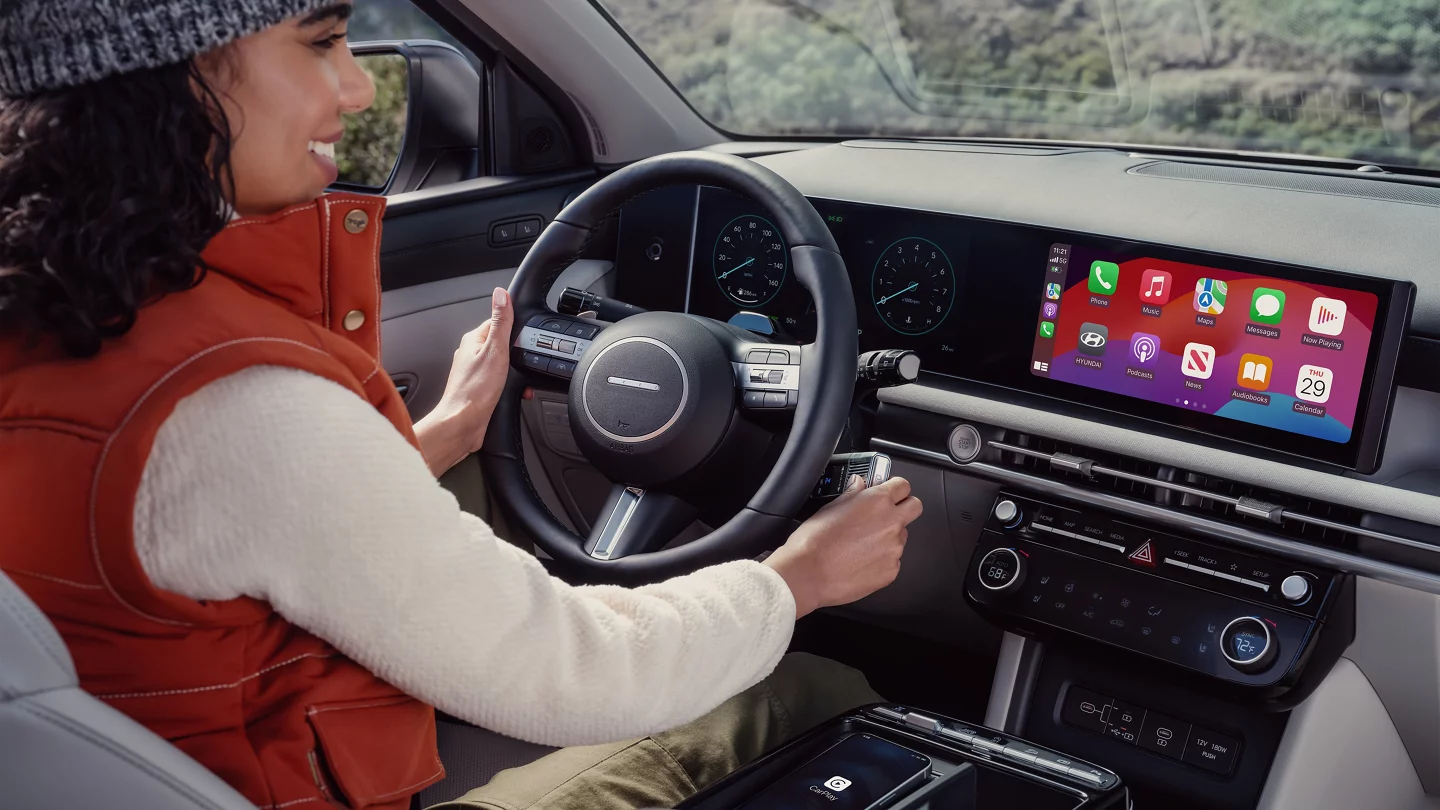
Woman behind the wheel of a Hyundai Tucson, close-up of tech.

The 2026 Hyundai Tucson puts serious safety technology and seamless connectivity within reach of Pennsylvania drivers. At Blaise Alexander Hyundai of State College, this compact SUV backs up its bold styling with protective systems that respond when milliseconds matter. Whether merging onto Route 322 during rush hour or backing out at the Nittany Mall, the sensors stay alert.

Standard Safety Features That Protect Every Journey

Every model comes equipped with Hyundai SmartSense®, a comprehensive suite of driver-assistance technologies that watch for hazards you might miss. Standard Forward Collision-Avoidance Assist monitors the road ahead and detects pedestrians in crosswalks, cyclists in bike lanes, and vehicles during junction turns.

When danger appears, the system applies automatic braking. Lane Keeping Assist provides steering corrections if you drift toward lane markers, while Driver Attention Warning picks up drowsy driving patterns. Smart Cruise Control (SCC) with Stop & Go functionality holds a set following distance, even bringing you to a complete stop.

Available Advanced Protection Systems

Higher trims add Blind-Spot Collision-Avoidance Assist and Rear Cross-Traffic Collision-Avoidance Assist (RCCA), covering zones your mirrors can’t reach. The available Surround View Monitor stitches camera feeds into a 360-degree overhead view showing curbs, parking lines, and obstacles on your touchscreen. Remote Smart Parking Assist on the Limited trim lets you stand outside with your smartphone while the vehicle inches into tight spots.

Connected Technology That Keeps You in Command

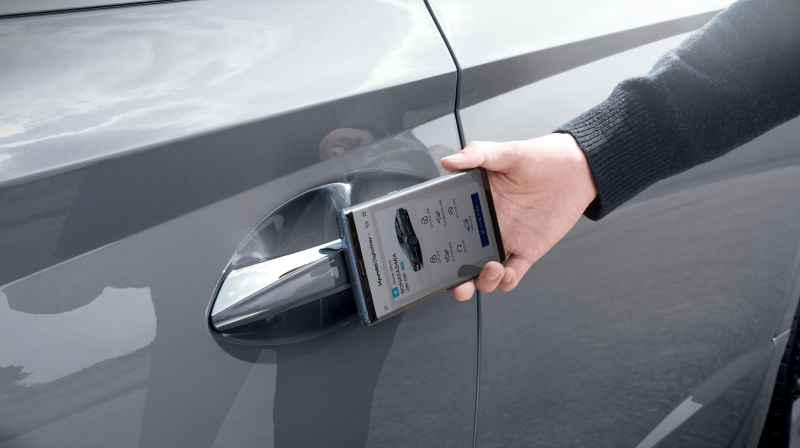
A standard 12.3-inch touchscreen anchors the dashboard, running wireless Apple CarPlay and Android Auto without the tangle of charging cables. Blue Link® connected car services let you start the engine and set the climate from your smartphone before you leave the house on winter mornings. Available Digital Key® technology works with compatible smartphones or smartwatches, eliminating the traditional key fob—tap your phone to the door handle to unlock, then press the start button.

Test Drive the 2026 Hyundai Tucson in State College, PA

Visit Blaise Alexander Hyundai of State College to see how these systems respond in real driving conditions. Our team will demonstrate the Surround View Monitor, Digital Key® operation, and forward collision system. Schedule your 2026 Hyundai Tucson test drive and experience excellence firsthand.

Recommended Posts

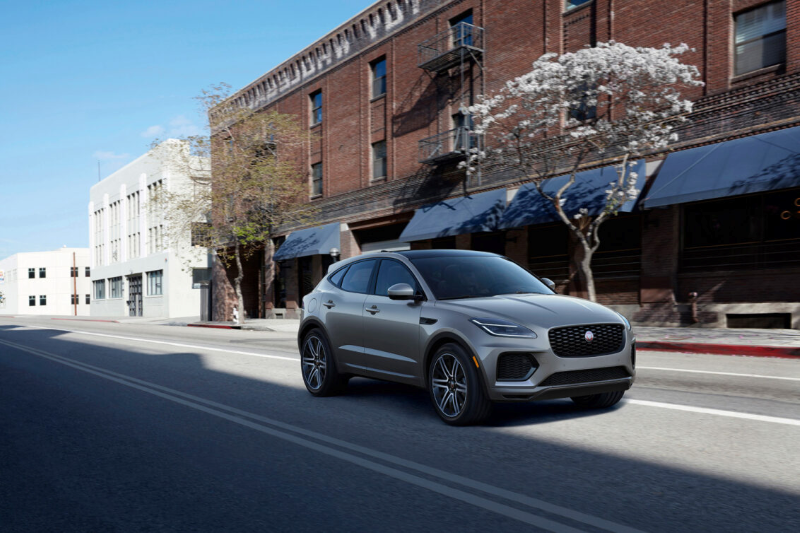
Jaguar E-Pace driving down the street

How Hyundai Automatic Emergency Braking Works to Protect You

August is National Brake Safety Awareness Month, a good time to look at the technology designed to assist when a potential collision develops ahead. Hyundai Automatic Emergency Braking capability is incorporated into Forward Collision-Avoidance Assist (FCA), which can warn you of certain collision risks and may automatically apply the brakes when necessary. At Blaise Alexander Hyundai of State College, we field plenty of questions about how this driver-assistance technology works behind the scenes. How Forward Collision-Avoidance Assist Detects a Threat Forward Collision-Avoidance Assist uses vehicle sensors to monitor the road ahead for certain potential collision risks. If the system detects a vehicle or other supported road user in your path, it can provide visual and audible warnings. If you do not begin braking in time, FCA may automatically apply the brakes to help avoid a collision or reduce its severity. Detection capabilities vary by Hyundai model and trim, with certain versions also able to recognize pedestrians, cyclists, and potential collisions with oncoming vehicles while turning at an intersection. Available Across Most of the Lineup Forward Collision-Avoidance Assist is part of Hyundai SmartSense and comes standard in some form on many current Hyundai vehicles, including the Hyundai Tucson, Hyundai Santa Fe, and Hyundai Elantra. Exact capabilities vary by model and trim. Certain versions add Cyclist and Junction Turning Detection, while more advanced versions can recognize additional collision risks in intersections and during lane changes. FCA works alongside other Hyundai SmartSense technologies such as Lane Keeping Assist and High Beam Assist to provide an additional layer of driver assistance. Explore Hyundai Automatic Emergency Braking in State College, PA Forward Collision-Avoidance Assist can provide an extra layer of support when certain collision risks develop, but it does not replace attentive driving or prevent every collision. Because its capabilities vary by model and trim, it’s worth checking exactly which version is included on the Hyundai vehicle you’re considering. Blaise Alexander Hyundai of State College can help you compare available Hyundai SmartSense features and understand how they work on the road.

Hyundai Highway Driving Assist (HDA) image

What Is Hyundai Highway Driving Assist?

Hyundai Highway Driving Assist takes some of the guesswork out of long stretches of highway driving by combining Smart Cruise Control with lane centering technology. Instead of constantly adjusting your speed and steering, the system helps maintain a set following distance while helping the vehicle centered in its lane. At Blaise Alexander Hyundai of State College, we hear this question often enough that it deserves a proper explanation. How the System Works Highway Driving Assist works with technologies such as Smart Cruise Control and Lane Following Assist to provide added support on the highway. When operating under appropriate conditions, the system can help maintain a set speed and distance from the vehicle ahead while helping keep your Hyundai centered in its lane, even through curves. Highway Driving Assist is one of several Hyundai SmartSense driver-assistance technologies available across the Hyundai lineup. Available Across the Lineup Highway Driving Assist is available on a wide range of Hyundai models, including SUVs such as the Hyundai Tucson, Hyundai Santa Fe, and three-row Hyundai Palisade. Select models also offer Highway Driving Assist 2 (HDA 2), an enhanced version that can provide additional assistance when changing lanes on the highway. Availability varies by model and trim, so be sure to check which features are included when choosing your Hyundai. Test Drive New Hyundai Models in State College, PA Hyundai Highway Driving Assist is designed to provide added convenience and support during highway driving, whether you're commuting to work or heading out on a longer trip. The driver must remain attentive and in control of the vehicle whenever the system is in use. Our team at Blaise Alexander Hyundai of State College can help you explore which models and trims offer Highway Driving Assist and find a Hyundai that fits your driving needs.

Car finance and lease packet image

Hyundai Finance Tips: Leasing vs Financing

Choosing between leasing and financing is one of the biggest decisions you will make with Hyundai finance, and there is no single right answer for every driver. Both options can help you drive home in a Hyundai, but they work very differently once you look beyond the monthly payment. At Blaise Alexander Hyundai of State College, we walk drivers through the difference so they can pick what actually fits their life. How Leasing Works Leasing means you are paying for the vehicle's depreciation over a set term, typically two to three years, rather than paying off its full value. That usually means a lower monthly payment than financing the same vehicle, since you are only covering the miles and years you actually drive. The tradeoff is that leases come with mileage limits and wear-and-tear guidelines, and you do not build equity, since the vehicle goes back to the dealership at the end of the term. How Financing Works Financing means you are paying off the full purchase price over time, so your payment is typically higher than a comparable lease. Once the loan is paid off, the vehicle is yours outright, with no mileage restrictions and no return date to plan around. Financing also makes sense if you drive well beyond typical lease mileage limits or plan to keep your Hyundai for many years. Which One Fits You? Leasing is often a good fit for drivers who enjoy upgrading to a new Hyundai every few years and want predictable monthly payments. Financing may be the better choice if you plan to keep your vehicle long-term, drive more miles each year, or want to build ownership equity. Talk Hyundai Financing with Our Team in State College, PA Every driver's budget and driving habits are different, and our finance team can help you compare real numbers side by side. Stop by Blaise Alexander Hyundai of State College to compare lease and financing options, review current offers, and find the payment plan that fits your needs.